
BLOG

- Home
- Blog
- Powders Article
- Top 9+ most popular concrete additives today
Top 9+ most popular concrete additives today
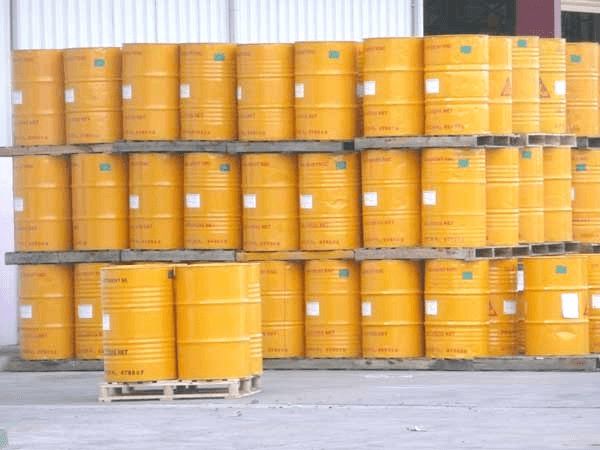
Concrete additives play a crucial role in improving the quality and performance of concrete. Thanks to the addition of these additives, concrete not only achieves higher strength and ductility but also improves impermeability, freeze resistance, and flexibility in meeting construction requirements under various conditions.
Thanks to this role, concrete additives become a key factor in improving the quality and performance of construction, contributing to ensuring the sustainability and success of modern construction projects.
Concrete admixtures are materials in powder, granular, or liquid form.

Understanding the role of different types of concrete additives.
What are concrete additives?
Concrete admixtures are materials in powder, granular, or liquid form that are added to concrete mixtures to create superior properties that are difficult to achieve with ordinary concrete. They help improve mechanical properties such as strength, toughness, and impermeability, while also adjusting the setting time as required.Thanks to this role, concrete additives become a key factor in improving the quality and performance of construction, contributing to ensuring the sustainability and success of modern construction projects.
Concrete admixtures are materials in powder, granular, or liquid form.
The role of concrete additives
Concrete additives not only enhance mechanical properties but also optimize the construction process, offering numerous important benefits. They help increase durability, improve load-bearing capacity, and extend the lifespan of the structure.Understanding the role of different types of concrete additives.
At the same time, additives also enhance waterproofing capabilities, reduce water absorption, and prevent the penetration of water and chemicals, protecting concrete structures from damage. They also regulate setting time, flexibly adapting to different construction conditions.
In addition, additives improve plasticity, making concrete easier to pour and handle, saving time and effort during construction, while ensuring stable construction quality.
Plasticizers will help reduce the water content of concrete.
In addition, additives improve plasticity, making concrete easier to pour and handle, saving time and effort during construction, while ensuring stable construction quality.
Common types of concrete additives currently in use
To optimize the quality and performance of concrete, the addition of specialized additives is crucial. From water-reducing additives, superplasticizers, and setting time extenders to air-entraining, quick-setting, and waterproofing additives, each type offers unique benefits, making concrete easier to work with, more durable, and suitable for various construction conditions.Water-reducing concrete admixture
Water-reducing admixtures are organic substances added to concrete to reduce the amount of water required, making the concrete mix easier to work with and improving the workability of mortar and fresh concrete during compaction.Plasticizers will help reduce the water content of concrete.
By reducing the surface tension or interfacial tension of water, these additives help cement particles separate and lubricate each other, facilitating the wetting and hydration process of the cement, thereby improving the efficiency and quality of concrete.
Common water-reducing additives currently include lignosulfonates, resin soaps or alkali abietates (sodium, potassium), as well as alkyl sulfonates (LAS),...
This group of additives typically includes lignosulfonates (calcium, sodium, ammonium) containing small amounts of sugar, acids and salts of hydroxycarboxylic acids, along with organic compounds such as glucose, sucrose, starch, and cellulose…
Concrete additives help extend the setting time.

Superplasticizers help reduce the amount of water needed when mixing concrete.
Common water-reducing additives currently include lignosulfonates, resin soaps or alkali abietates (sodium, potassium), as well as alkyl sulfonates (LAS),...
Concrete admixtures that extend setting time.
Setting time-delay admixtures are added to concrete mixtures to slow down the hardening process, extending the working time and facilitating concrete pouring and finishing.This group of additives typically includes lignosulfonates (calcium, sodium, ammonium) containing small amounts of sugar, acids and salts of hydroxycarboxylic acids, along with organic compounds such as glucose, sucrose, starch, and cellulose…
Concrete additives help extend the setting time.
Superplasticizer concrete additive
Superplasticizers help reduce the amount of water needed when mixing concrete without changing the setting time, thereby creating a concrete mixture with higher workability and easier construction.Superplasticizers help reduce the amount of water needed when mixing concrete.
Common chemicals used in the production of superplasticizers include melamine formaldehyde and naphthalene formaldehyde.
This type of additive is particularly useful in cases where concrete must be poured and compacted in densely reinforced concrete structures that are difficult to access, in the production of high-strength concrete, or when concrete needs to be pumped to distant and elevated locations.
In fresh concrete, these air bubbles act as a fluid, partially replacing water and serving as an inert element, partially replacing fine sand particles smaller than 1–2 mm, thereby improving the stability and strength of the mixture.
Commonly used raw materials for producing air-entraining additives include lignosulfonate, sodium abietate, salts of ethanolamine, fatty alcohol sulfonates, alkyl sulfonates, and alkaline soaps of fatty acids…
However, it should be noted that the use of fast-setting admixtures can affect the long-term strength of concrete.
Common raw materials for manufacturing quick-setting additives include chloride salts such as calcium chloride, sodium chloride, and aluminum chloride. Alkali-based substances such as sodium hydroxide, potassium hydroxide, ammonia, and related salts such as carbides, aluminates, sodium borate, potassium borate, nitrates, nitrites, and calcium formate.
Using a quick-setting additive is necessary to shorten mold removal time.

Hydrophobic concrete additives help improve the waterproofing and moisture resistance of concrete.
This type of additive is particularly useful in cases where concrete must be poured and compacted in densely reinforced concrete structures that are difficult to access, in the production of high-strength concrete, or when concrete needs to be pumped to distant and elevated locations.
Air-entraining concrete admixture
Air-entraining admixtures create tiny air bubbles within concrete, enhancing its resistance to freezing and thawing, and improving its workability during construction in low-temperature conditions.In fresh concrete, these air bubbles act as a fluid, partially replacing water and serving as an inert element, partially replacing fine sand particles smaller than 1–2 mm, thereby improving the stability and strength of the mixture.
Commonly used raw materials for producing air-entraining additives include lignosulfonate, sodium abietate, salts of ethanolamine, fatty alcohol sulfonates, alkyl sulfonates, and alkaline soaps of fatty acids…
Fast-setting concrete additives
When pouring concrete in cold weather conditions, the use of fast-setting admixtures is necessary to shorten the formwork removal time. This type of additive accelerates the setting process, increases concrete strength, and can be used to seal leaks caused by water pressure, helping to complete structural repairs quickly.However, it should be noted that the use of fast-setting admixtures can affect the long-term strength of concrete.
Common raw materials for manufacturing quick-setting additives include chloride salts such as calcium chloride, sodium chloride, and aluminum chloride. Alkali-based substances such as sodium hydroxide, potassium hydroxide, ammonia, and related salts such as carbides, aluminates, sodium borate, potassium borate, nitrates, nitrites, and calcium formate.
Using a quick-setting additive is necessary to shorten mold removal time.
Hydrophobic concrete admixtures
Hydrophobic admixtures enhance the water and moisture resistance of concrete by preventing capillary absorption.They work primarily by sealing small pores and channels or by creating precipitated, swollen products that reduce water permeability, although their effect is mainly concentrated in small pores.Hydrophobic concrete additives help improve the waterproofing and moisture resistance of concrete.
Hydrophobic additives are often made from fine powders such as kieselgel, bentonite, fatty lime, and plastic emulsions. Fatty acid salts such as stearate and oleate; plasticizers such as polymers and lignosulfonates; and other products such as aluminum sulfate and swelling agents derived from seaweed.
When increased setting speed is required, enhancers such as chlorides or caustic soda can be added, especially when these products also act as air-entraining agents or setting retarders.
These additives are typically made from fine-grained pozzolanic materials, meaning they react with calcium hydroxide produced during cement hydration to create cement-like compounds that fill voids in concrete. The waterproofing effectiveness of concrete depends heavily on the quality of construction and the uniformity of the concrete pouring.
The use of waterproofing additives requires high technical skill and meticulous attention to detail, especially in projects requiring superior waterproofing capabilities such as roofs, bathrooms, or other moisture-resistant structures.
Waterproofing concrete additives are used to reduce the transmission of water vapor or liquid water through concrete.
This additive works by reducing the viscosity of cement paste by retaining water in the mixture, making the cement paste more pliable. As a result, the concrete can flow evenly into the gaps between the aggregates, creating a smooth, homogeneous mixture that is easier to work with.
They function during the cement hydration process, either by expanding on their own or reacting with other concrete components to produce the necessary expansion. These additives typically fall into one of three groups: iron- and oxide-enhancing additives, aluminum powder-based gas-generating additives, and free calcium oxide additives.
To improve the efficiency and quality of concrete, you can consider mineral fillers such as CaCO₃, Taical, etc., supplied by APEX Vietnam. These are widely used in concrete additives to improve workability, durability, and impermeability of the mixture..
The correct selection and use of concrete additives not only improves the quality, durability, and stability of the structure but also optimizes the construction process, saving time and costs. As a result, modern construction projects can achieve higher efficiency and greater sustainability over time.
When increased setting speed is required, enhancers such as chlorides or caustic soda can be added, especially when these products also act as air-entraining agents or setting retarders.
Waterproof concrete additives
Waterproofing additives are used to reduce the transmission of water vapor or liquid water through concrete, thereby improving the durability and stability of the structureThese additives are typically made from fine-grained pozzolanic materials, meaning they react with calcium hydroxide produced during cement hydration to create cement-like compounds that fill voids in concrete. The waterproofing effectiveness of concrete depends heavily on the quality of construction and the uniformity of the concrete pouring.
The use of waterproofing additives requires high technical skill and meticulous attention to detail, especially in projects requiring superior waterproofing capabilities such as roofs, bathrooms, or other moisture-resistant structures.
Waterproofing concrete additives are used to reduce the transmission of water vapor or liquid water through concrete.
Pump-aid concrete admixture
Smoothing additives help the concrete mixture to be easily pumped over long distances and prevent segregation.This additive works by reducing the viscosity of cement paste by retaining water in the mixture, making the cement paste more pliable. As a result, the concrete can flow evenly into the gaps between the aggregates, creating a smooth, homogeneous mixture that is easier to work with.
Expanding concrete admixture
This additive is used to increase the volume of mortar or concrete, serving applications such as grouting for anchor bolts, column base filling, or the production of self-stressed concrete.They function during the cement hydration process, either by expanding on their own or reacting with other concrete components to produce the necessary expansion. These additives typically fall into one of three groups: iron- and oxide-enhancing additives, aluminum powder-based gas-generating additives, and free calcium oxide additives.
To improve the efficiency and quality of concrete, you can consider mineral fillers such as CaCO₃, Taical, etc., supplied by APEX Vietnam. These are widely used in concrete additives to improve workability, durability, and impermeability of the mixture..
The correct selection and use of concrete additives not only improves the quality, durability, and stability of the structure but also optimizes the construction process, saving time and costs. As a result, modern construction projects can achieve higher efficiency and greater sustainability over time.
Article Classification
Recent Articles
- Comparing Talc and Calcium Carbonate Powder in Plastic Formulations
- What Is Paint Viscosity? Influencing Factors and Control Methods
- Important Applications of Calcium Carbonate Powder in Paper Manufacturing
- Calcium Carbonate Powder in Rubber Manufacturing: Applications and Benefits
- Applications of CaCO₃ in Various Industries