
BLOG
- Home
- Blog
- Powders Article
- Additives used in industrial paints
Additives used in industrial paints
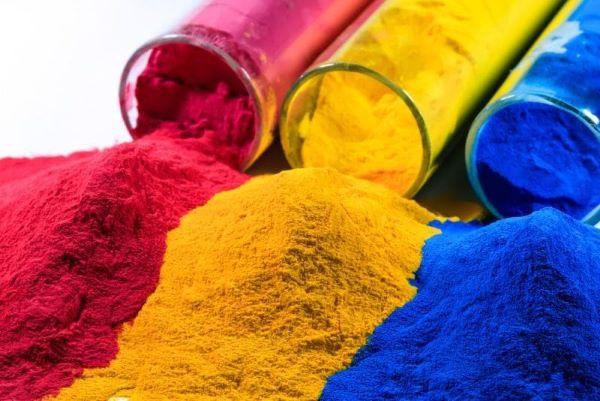
In today's industrial paint industry, additives play a crucial role, determining the durability, gloss, adhesion, and stability of the paint film. Each additive has a specific function, from wetting, dispersion, and defoaming to viscosity adjustment, all contributing to a finished paint product that meets high technical and aesthetic standards. Understanding and selecting the right additives is key to optimizing quality and efficiency in the production process.
In paint mixtures, the surface energy of pigment particles is often high, making them difficult to mix with solvents. Adding a wetting agent reduces the surface tension between the pigment and the solvent, allowing the film-forming agent to easily coat the pigment particles. This facilitates the subsequent grinding and dispersion of the paint.
The effectiveness of wetting agents is clearly demonstrated by:
If this process is not properly controlled, the paint can exhibit a range of serious defects, such as: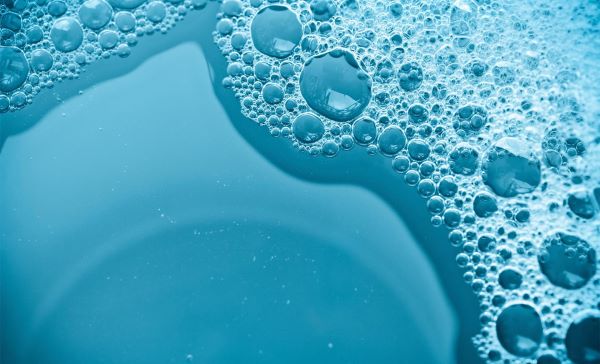
Antifoaming agents are used to control foaming during the manufacturing and application of paint.
Wetting agent
Wetting agents are important additives in paint production, responsible for ensuring that pigments and fillers are completely wetted in the solvent or resin base. This process helps to evenly disperse solid particles in the paint system, preventing clumping, graininess, or color inconsistencies.In paint mixtures, the surface energy of pigment particles is often high, making them difficult to mix with solvents. Adding a wetting agent reduces the surface tension between the pigment and the solvent, allowing the film-forming agent to easily coat the pigment particles. This facilitates the subsequent grinding and dispersion of the paint.
The effectiveness of wetting agents is clearly demonstrated by:
- Increases the dispersion and stability of the paint system.
- Improves the smoothness, gloss, and uniformity of the paint film.
- Reduce grinding time and save energy in the production process.
Wetting and dispersing additives for paints
In the paint manufacturing process, the dispersion of pigments and fillers goes through three main stages: wetting, grinding, and dispersion stabilization. This stage plays a crucial role in determining the homogeneity and quality of the paint film.If this process is not properly controlled, the paint can exhibit a range of serious defects, such as:
- The pigment powder is coagulant and easily settles.
- Reduced shine, poor colorfastness.
- The phenomenon of spreading and color separation.
- The paint surface appears honeycomb-like, rough, and less smooth.
- Wetting agents reduce the surface tension between the pigment and the resin, allowing the pigment to easily penetrate the resin, facilitating the subsequent paint grinding stage.
- Dispersing agents prevent the re-aggregation and re-sticking of pigment particles after grinding, through electrostatic repulsion or the steric hindrance effect of adsorbed functional groups on the particle surface.
Antifoaming agent
Defoamer and deaerator are two types of additives often collectively referred to as anti-foaming agents. In reality, clearly distinguishing the effectiveness of defoamer and deaerator is quite difficult, as both are responsible for controlling foaming during paint production and application.Antifoaming agents are used to control foaming during the manufacturing and application of paint.
To put it simply, wet foam typically appears during the paint manufacturing process, is large in size (macro foam), and is common in water-based paints and inks. Dry foam, on the other hand, forms during paint application with a brush or roller and is very small (microfoam).
Both macro and micro foams negatively affect paint film quality, causing defects such as the orange peel effect, rough surface, bumps, or pinholes.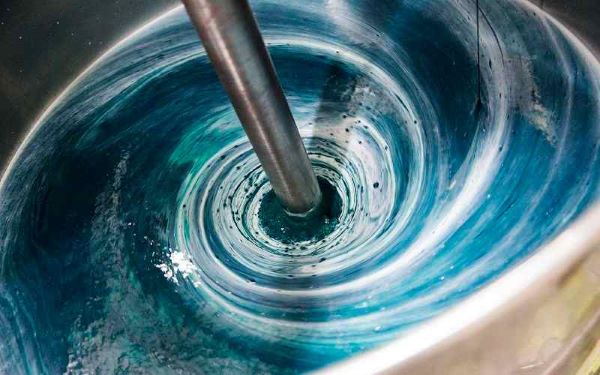
Surface additives are additives used in the paint industry.
Both macro and micro foams negatively affect paint film quality, causing defects such as the orange peel effect, rough surface, bumps, or pinholes.
- Defoamers are used to break up large bubbles (microfoam).
- A deaerator is used to remove small bubbles (microfoam).
Surface additives
During application and after the paint dries, the paint film surface often develops various defects that directly affect the decorative quality and protective capabilities of the paint layer. Common defects include:- Poor wettability results in uneven paint adhesion to the surface.
- The uneven spread results in patchy, inconsistent color.
- Roughness, orange peel texture, or unevenness may appear after construction.
- It easily attracts dust, causing the paint surface to become dull and scratched.
- Reduced gloss, weather resistance, and paint film lifespan.
Surface additives are additives used in the paint industry.
To overcome this problem, surface active additives are an indispensable component in modern paint formulations. These additives are usually polysiloxane or polyacrylate-based and work by reducing the surface tension of the paint, helping to:
To achieve the desired rheological properties, rheology modifiers are indispensable additives in the paint manufacturing industry. These additives help adjust and stabilize the viscosity of the paint solution, ensuring uniformity throughout all stages from production, packaging, and transportation to application.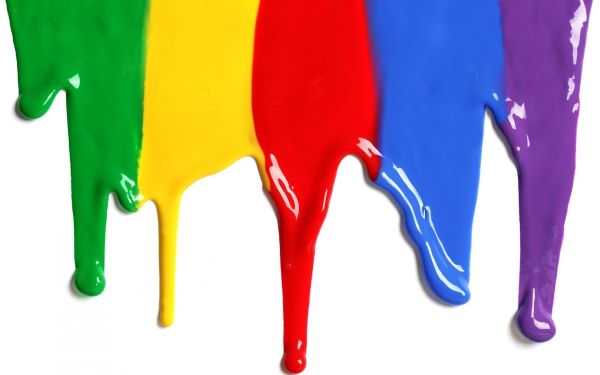
Rheology describes the flow properties of a paint solution.
- Increases the spreadability and smoothness of the paint.
- Improves the gloss and smoothness of the paint film.
- Prevent defects such as craters, honeycomb patterns, and cellulite.
- It helps maintain a smooth, durable, and stable paint film over time.
Rheological properties (Rheology)
Rheology describes the flowability of a paint solution. Controlling rheology is crucial to ensuring the quality, smoothness, and stability of the paint film throughout the application and finishing process.To achieve the desired rheological properties, rheology modifiers are indispensable additives in the paint manufacturing industry. These additives help adjust and stabilize the viscosity of the paint solution, ensuring uniformity throughout all stages from production, packaging, and transportation to application.
Rheology describes the flow properties of a paint solution.
In addition, rheologists prevent sedimentation during storage. Even when the paint is stored for extended periods, the sediment remains soft and easily stirred back into place, ensuring the paint is always ready for use.
Rheological additives play a crucial role in both water-based and solvent-based paint systems, as both require maintaining proper flow properties and stable viscosity, thereby creating a smooth, even, and durable paint film after application.
In paint systems, excessive pH changes (too high or too low) can easily lead to agglomeration, delamination, reduced viscosity, or decreased dispersion of pigments and fillers. This directly affects the quality of the paint film, such as gloss, durability, and adhesion.
Adding pH stabilizers helps the paint system maintain its pH within the optimal range, ensuring the active ingredients work effectively, and maintaining the product's consistency and stability over the long term. As a result, the paint can achieve high quality, be easy to apply, and have a longer lifespan.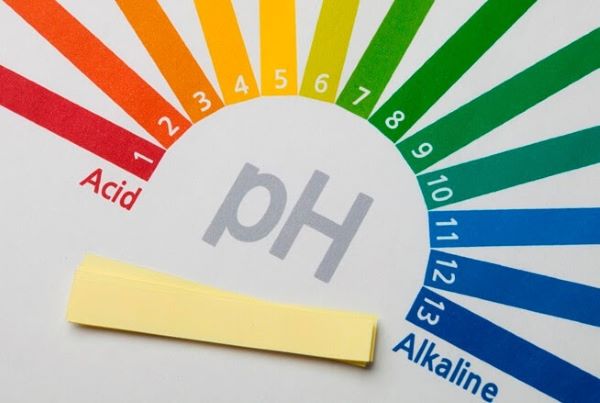
pH stabilizers are an important additive in the paint industry.
To overcome this problem, anti-settling additives are used to create three-dimensional spatial bonds, which help support and evenly disperse the pigment particles, minimizing sedimentation.
Currently, anti-settling additives are divided into two main groups:
In the humid and nutrient-rich environment of paint (especially water-based paint systems), microorganisms can thrive, causing product damage, changes in odor, delamination, or reduced adhesion of the paint film. Adding preservatives helps maintain chemical stability, extends shelf life, and ensures consistent paint quality under all environmental conditions.
Commonly used preservatives include:
The correct selection and use of additives in paints is crucial to ensuring the quality, durability, and aesthetics of the paint film. From wetting agents, dispersants, and defoamers to rheological additives and pH stabilizers, each contributes to optimizing application performance and extending product lifespan. Understanding the role of these additives in paints will help paint manufacturers create high-quality products that meet the demanding needs of the market.
Rheological additives play a crucial role in both water-based and solvent-based paint systems, as both require maintaining proper flow properties and stable viscosity, thereby creating a smooth, even, and durable paint film after application.
pH stabilizers
pH stabilizers are an important additive in the paint industry, responsible for maintaining a stable pH level in paint systems throughout the manufacturing, storage, and application processes.In paint systems, excessive pH changes (too high or too low) can easily lead to agglomeration, delamination, reduced viscosity, or decreased dispersion of pigments and fillers. This directly affects the quality of the paint film, such as gloss, durability, and adhesion.
Adding pH stabilizers helps the paint system maintain its pH within the optimal range, ensuring the active ingredients work effectively, and maintaining the product's consistency and stability over the long term. As a result, the paint can achieve high quality, be easy to apply, and have a longer lifespan.
pH stabilizers are an important additive in the paint industry.
Anti-settling agent
During paint production, pigment and filler particles are typically very small (approximately 10–20 microns) and do not bind together naturally. Therefore, when paint is stored for extended periods, these particles easily settle to the bottom of the container, reducing product quality and consistency.To overcome this problem, anti-settling additives are used to create three-dimensional spatial bonds, which help support and evenly disperse the pigment particles, minimizing sedimentation.
Currently, anti-settling additives are divided into two main groups:
- Natural anti-settling agents, most commonly bentonite-based, are extracted from natural mineral ores.
- Synthetic anti-settling agents, usually based on fumed silica, are produced from the thermal decomposition of SiO₂.
Preservative additives
Preservative additives are an indispensable component in paint formulations, playing a role in preventing the growth of microorganisms, mold, and bacteria throughout the production, storage, and use processes.In the humid and nutrient-rich environment of paint (especially water-based paint systems), microorganisms can thrive, causing product damage, changes in odor, delamination, or reduced adhesion of the paint film. Adding preservatives helps maintain chemical stability, extends shelf life, and ensures consistent paint quality under all environmental conditions.
Commonly used preservatives include:
- In-can biocide: protects paint from microorganisms during storage.
- Paint film preservatives: protect the paint film after application from mold and mildew.
The correct selection and use of additives in paints is crucial to ensuring the quality, durability, and aesthetics of the paint film. From wetting agents, dispersants, and defoamers to rheological additives and pH stabilizers, each contributes to optimizing application performance and extending product lifespan. Understanding the role of these additives in paints will help paint manufacturers create high-quality products that meet the demanding needs of the market.
Article Classification
Recent Articles
- Comparing Talc and Calcium Carbonate Powder in Plastic Formulations
- What Is Paint Viscosity? Influencing Factors and Control Methods
- Important Applications of Calcium Carbonate Powder in Paper Manufacturing
- Calcium Carbonate Powder in Rubber Manufacturing: Applications and Benefits
- Applications of CaCO₃ in Various Industries