
BLOG
- Home
- Blog
- Plastic Polymer Composite Article
- What Is Thermoplastic? Definition, Characteristics, and Applications
What Is Thermoplastic? Definition, Characteristics, and Applications
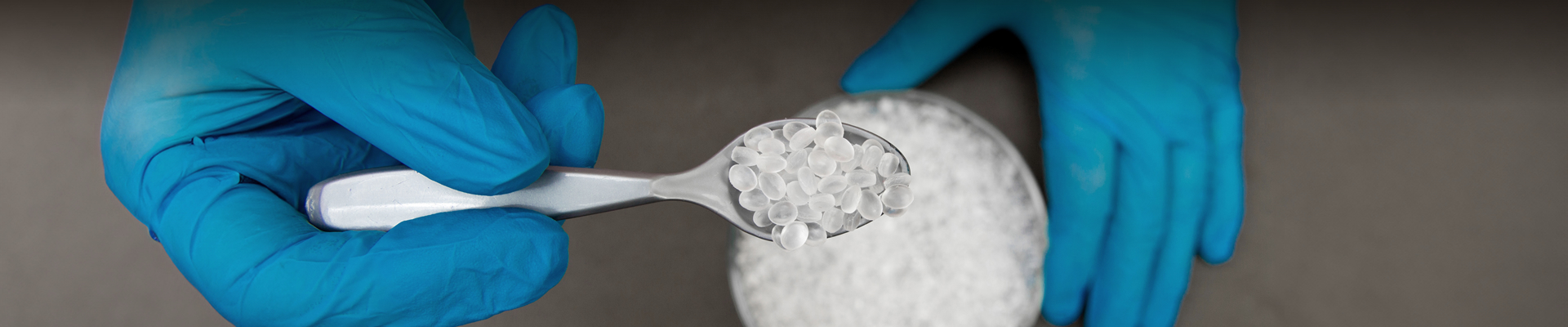
In the modern industrial era, plastics have become an indispensable part of every aspect of life, from everyday items like toothbrushes to complex components used in spacecraft. However, not all plastics are the same. One of the most important material groups is thermoplastics. So, what is thermoplastic, and why is it so widely preferred? This article provides a comprehensive overview of this material, covering its definition, technical properties, and practical applications.
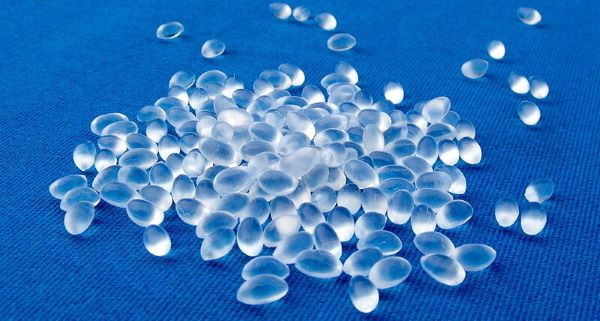
This process is entirely a reversible thermal transition. This means that thermoplastics can be melted and molded into shape, and if the result is not satisfactory, they can be ground down, remelted, and reshaped again without significantly altering their original chemical properties.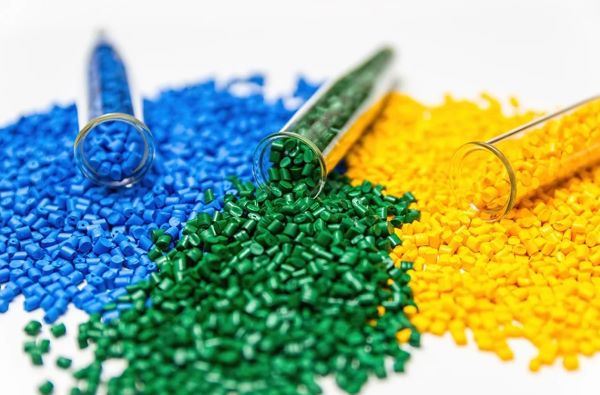
Thermoplastic is a type of polymer whose physical properties change with temperature
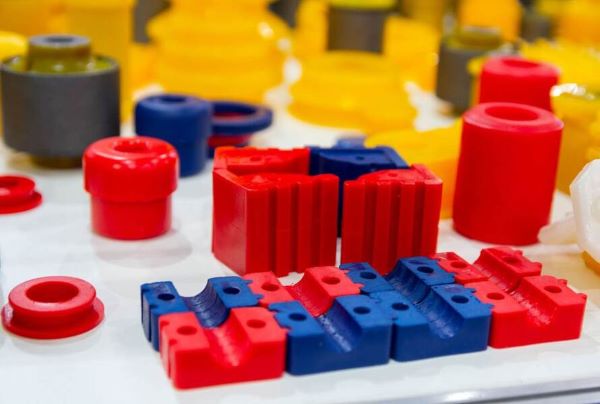
The characteristics of thermoplastics
What is thermoplastic?
To answer the question of what thermoplastic is, we need to approach it from both chemical and physical perspectives. Thermoplastic is a type of polymer whose physical properties change with temperature. Specifically, this material becomes soft and melts when heated to a certain temperature and hardens again when cooled.This process is entirely a reversible thermal transition. This means that thermoplastics can be melted and molded into shape, and if the result is not satisfactory, they can be ground down, remelted, and reshaped again without significantly altering their original chemical properties.
Thermoplastic is a type of polymer whose physical properties change with temperature
Characteristics of thermoplastics
Thermoplastics possess superior properties that allow them to dominate the global materials manufacturing industry. Below are the key characteristics of thermoplastics you should know:The characteristics of thermoplastics
Excellent recyclability
This is the most important characteristic that distinguishes thermoplastics from thermosetting plastics. Because their chemical structure is not broken down by heat, they can be recycled multiple times. This not only helps reduce raw material costs but also makes a significant contribution to environmental protection by minimizing plastic waste.
Chemical resistance and mechanical strength
Most thermoplastics exhibit good chemical resistance and are not corroded by acids, alkalis, or common organic solvents. In addition, they have high tensile strength, good impact resistance, and excellent durability under harsh environmental conditions.
Lightweight and aesthetic properties
Compared to metals or glass, thermoplastics are significantly lighter, helping reduce product weight and save energy during transportation. In addition, this material is easy to color and can be manufactured with glossy or matte surfaces as desired, meeting high aesthetic requirements.
Effective electrical and thermal insulation
Thermoplastics are excellent electrical and thermal insulators. They are widely used for wire insulation, electronic components, and thermal insulation parts in construction.
Classification by crystalline structure
Thermoplastics are classified into two main groups based on the arrangement of their molecular chains: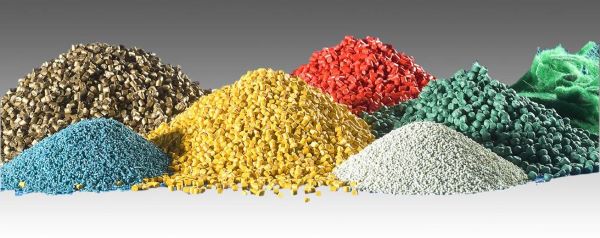
Polyvinyl chloride is the most widely produced thermoplastic in the world
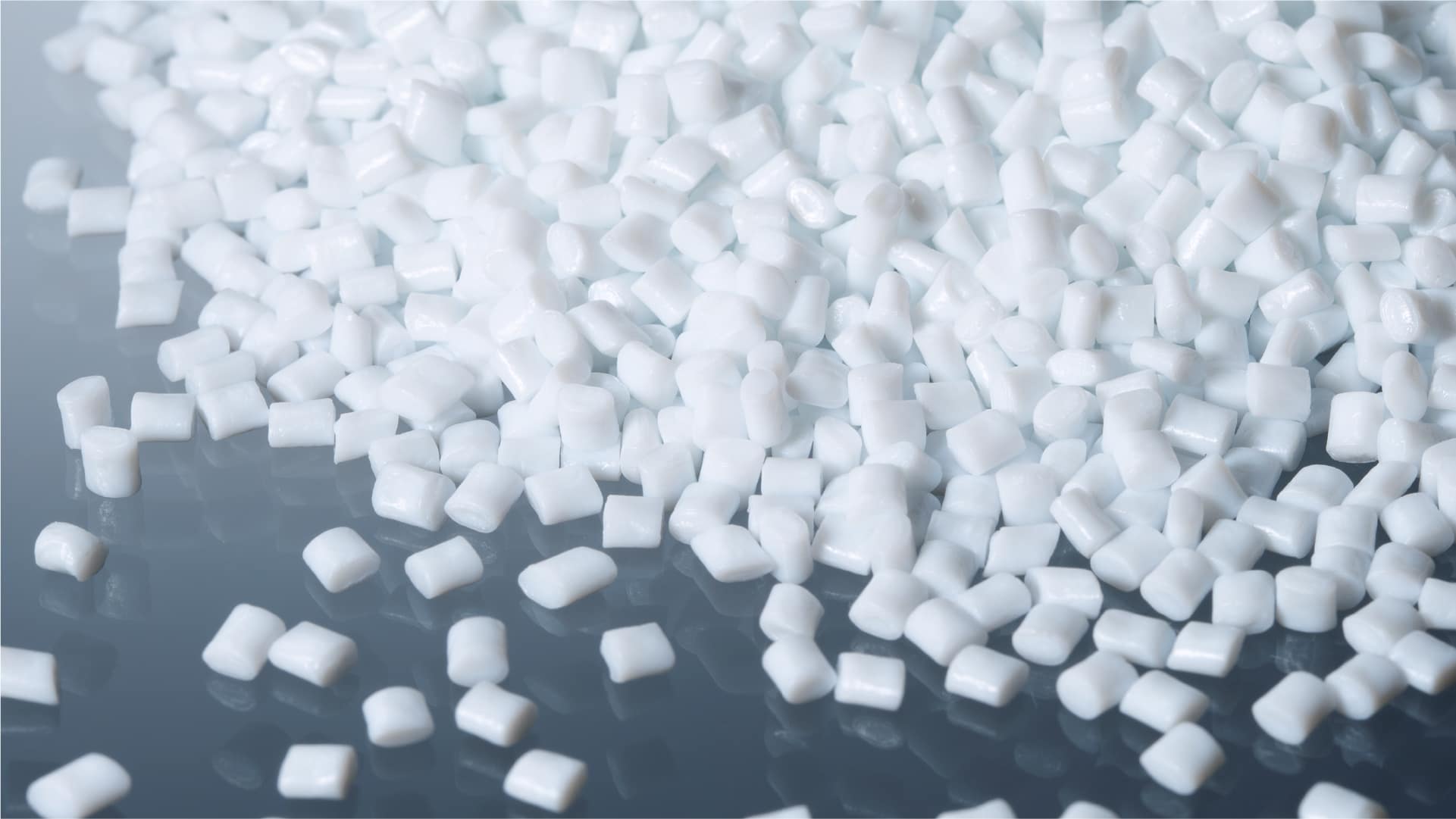
Polyethylene terephthalate is the most common material in the food industry
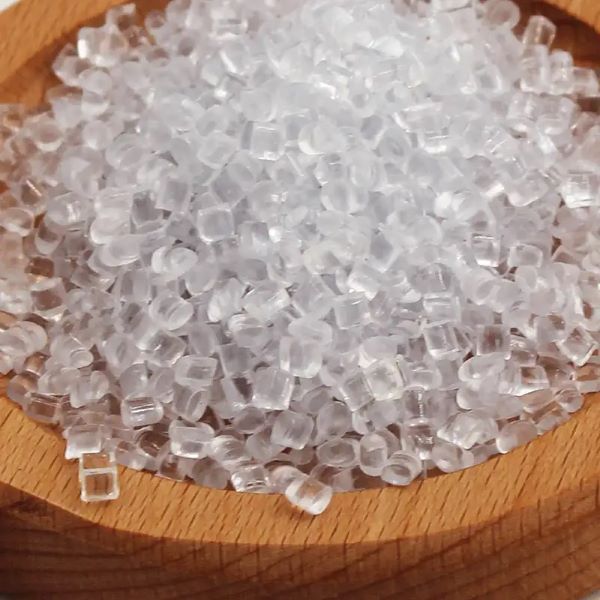
Polystyrene is easy to process
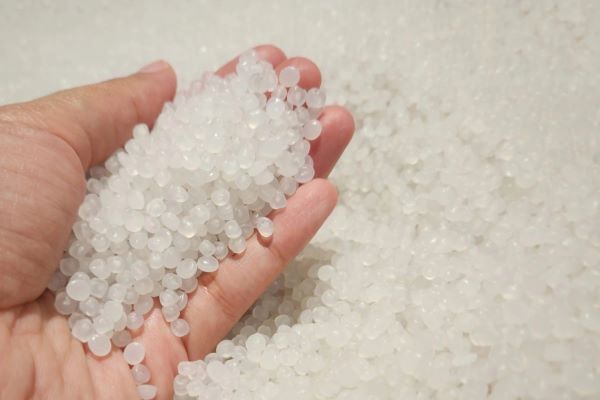
Polypropylene is a household plastic due to its safety
This is the most important characteristic that distinguishes thermoplastics from thermosetting plastics. Because their chemical structure is not broken down by heat, they can be recycled multiple times. This not only helps reduce raw material costs but also makes a significant contribution to environmental protection by minimizing plastic waste.
Chemical resistance and mechanical strength
Most thermoplastics exhibit good chemical resistance and are not corroded by acids, alkalis, or common organic solvents. In addition, they have high tensile strength, good impact resistance, and excellent durability under harsh environmental conditions.
Lightweight and aesthetic properties
Compared to metals or glass, thermoplastics are significantly lighter, helping reduce product weight and save energy during transportation. In addition, this material is easy to color and can be manufactured with glossy or matte surfaces as desired, meeting high aesthetic requirements.
Effective electrical and thermal insulation
Thermoplastics are excellent electrical and thermal insulators. They are widely used for wire insulation, electronic components, and thermal insulation parts in construction.
Classification by crystalline structure
Thermoplastics are classified into two main groups based on the arrangement of their molecular chains:
- Amorphous thermoplastics: The molecular chains are randomly arranged and typically exhibit high transparency (such as PS and PC).
- Semi-crystalline thermoplastics: The molecular chains are more orderly arranged in certain regions, generally offering higher mechanical strength and better heat resistance (such as PE and PP).
Types of thermoplastics and common applications
Understanding what thermoplastic is alone is not enough; we also need to explore specific types, as each one has its own unique ‘superpowers.’Polyvinyl chloride (PVC)
PVC is one of the most widely produced thermoplastics in the world. It exists in two forms: rigid (uPVC) and flexible (plasticized PVC).- Properties: Good flame resistance, chemical resistance, and high durability.
- Applications:
- In construction: Water pipes, window frames, wall cladding panels.
- In healthcare: Blood bags, IV tubing.
- In daily life: Electrical cables, raincoats, plastic wrap.
Polyvinyl chloride is the most widely produced thermoplastic in the world
Polyethylene terephthalate (PET)
Thermoplastic PET is the most common material in the food industry.- Properties: Transparent, excellent barrier against gases and moisture, resistant to tearing and impact.
- Production of mineral water and carbonated beverage bottles.
- Containers for dry food.
- Textile fibers in the garment industry (Polyester).
Polyethylene terephthalate is the most common material in the food industry
Polystyrene (PS)
Polyethylene terephthalate is the most common material in the food industry.- Properties: Rigid, brittle, transparent, but with poor heat resistance.
- Applications:
- Disposable items: cups, bowls, egg trays.
- Casings for electronic devices and children's toys.
- EPS foam (expanded PS) used for packaging and shock absorption.
Polystyrene is easy to process
Polypropylene (PP)
Thermoplastic PP is known as the ‘king’ of household plastics due to its safety.- Properties: High heat resistance (over 100°C), high mechanical strength, non-toxic.
- Applications:
- Microwave-safe food containers.
- Automotive components (bumpers, dashboards).
- Production of plastic masterbatches for coloring and enhancing resin properties.
Polypropylene is a household plastic due to its safety
Thermoplastics play an essential role in every aspect of modern life and industry. Understanding What is Thermoplastic not only helps engineers and manufacturers optimize processes but also enables consumers to choose safe and durable products. When selecting plastics, consider operating temperature, required strength, and food safety.
If you are looking for solutions in plastic raw materials, consider APEX VN. We pride ourselves on being a leading supplier of high-quality masterbatches and inorganic powders in Vietnam. With a commitment to superior quality and technical innovation, APEX VN meets the most demanding requirements of customers in the plastics industry.
If you are looking for solutions in plastic raw materials, consider APEX VN. We pride ourselves on being a leading supplier of high-quality masterbatches and inorganic powders in Vietnam. With a commitment to superior quality and technical innovation, APEX VN meets the most demanding requirements of customers in the plastics industry.