
BLOG
- Home
- Blog
- Plastic Polymer Composite Article
- What are plastic pellets? What are plastic pellets used for?
What are plastic pellets? What are plastic pellets used for?
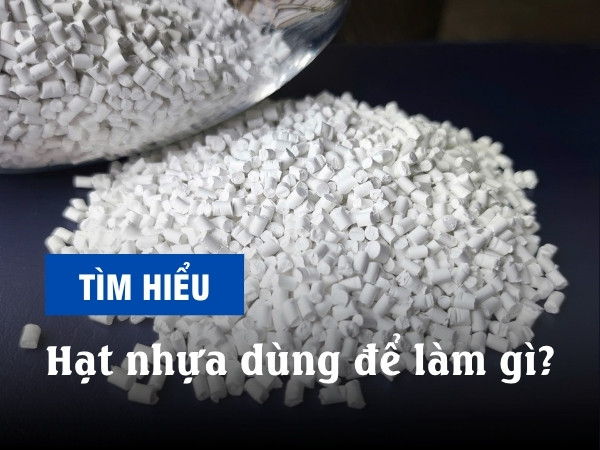
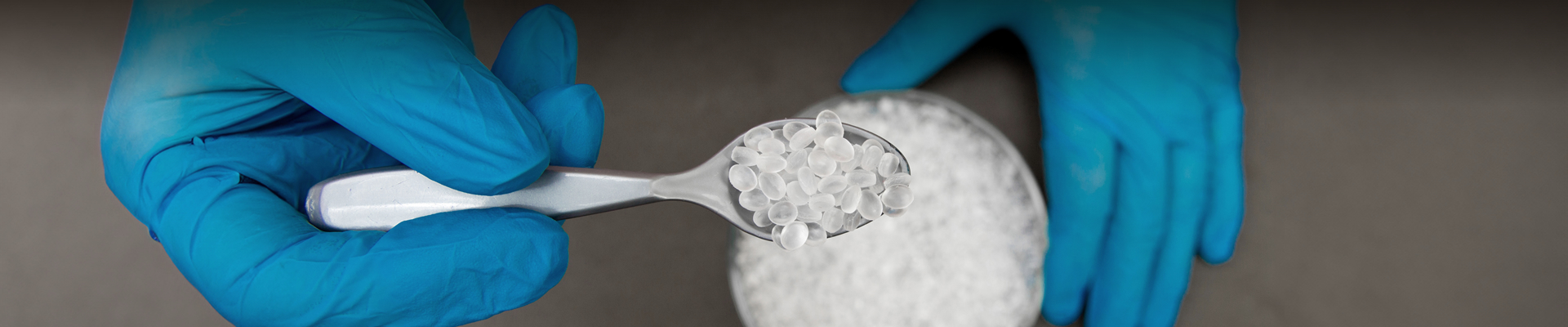
Plastic pellets are one of the important raw materials for plastic manufacturing plants. They not only increase hardness and improve heat resistance but also reduce shrinkage during product molding. So, what exactly are plastic pellets What are plastic pellets used for? How many common types of plastic resins are there? Let's find out in detail with APEX Vietnam in the article below.
Currently, plastic pellets are divided into many types, but the most common ones fall into three main groups: virgin plastic, recycled plastic, and bioplastic.
There are three common types of plastic pellets currently available.
In addition, PP plastic has good mechanical strength and load-bearing capacity, and is used in the following fields:
PP plastic is a safe type of plastic used to manufacture household items.
PE plastic is considered a highly safe material among virgin plastics. However, its limitations include a surface that is easily scratched and relatively low mechanical strength. PE plastic is commonly used in:
PE plastic is flexible and transparent white
With its outstanding advantages, ABS plastic is widely used in manufacturing, such as:
ABS plastic can withstand various environmental conditions and resists deformation when temperatures change.
HDPE plastic is not corroded by water, concentrated acids, bases, or salts, and can withstand long-term UV radiation without aging or degradation. Therefore, this type of plastic has a very long lifespan and is used in many fields requiring durability and stability.
HDPE plastic is typically classified into three main types:
HDPE plastic is highly durable and widely used in many fields.
Besides its general advantages, LDPE is particularly suitable for applications requiring elasticity and flexibility, and not high rigidity.
Some common applications of LDPE plastic include:
LDPE plastic granules are used for blowing plastic bags and agricultural films.
In particular, PVC has flame-retardant properties, with an ignition temperature of up to 455°C, reducing the risk of fire spreading to surrounding materials. Under normal conditions, PVC is hard, brittle, lightweight yet flexible, and can be dissolved or swollen in solvents such as aromatic hydrocarbons, ketones, and cyclic ethers.
With the above advantages, PVC plastic is widely used in many industries, especially:
PVC plastic is the main material used to manufacture water pipes.
HIPS plastic is characterized by its rigidity, durability, ease of coloring, and ease of processing, making it suitable for extrusion and vacuum forming technologies. It is commonly used in the production of electronic device casings, food trays/boxes, disposable plates and dishes, and thermoformed plastic packaging, etc.
HIPS plastic granules are easy to process and easy to color.

GPPS plastic is safe and is used to manufacture toys for young children.
Thanks to its lightweight, durable, and food-safe properties, PET plastic is widely used in various applications, including:
PET plastic granules have high transparency and a smooth, glossy surface, providing good aesthetics.
Benefits of choosing to buy plastic pellets from APEX Vietnam:
What are plastic pellets?
Masterbatch is a small granular material used as the primary raw material in the production of plastic products. During the manufacturing process, the masterbatch is mixed with other components such as colorants, fillers (CaCO₃), and specialized additives to create a finished product with properties, color, and durability suitable for the intended use.Currently, plastic pellets are divided into many types, but the most common ones fall into three main groups: virgin plastic, recycled plastic, and bioplastic.
- Virgin plastic:Virgin plastics are produced through the fractional distillation of petroleum and have never been used or recycled. They are typically naturally white, have a glossy surface, and can be easily mixed with color pigments to achieve desired colors. Some common types of virgin plastics include ABS, PP, PC, PS-GPPS, PA, HIPS, POM, and PMMA.…
- Recycled plastic:Recycled plastics are produced by collecting used plastic waste. The plastic materials are sorted, shredded, washed, dried, melted, and then pressed into granules or fibers. Common types of recycled plastics include PP, PE, HDPE, PVC, etc.
- Bioplastics:Bioplastics are a group of materials that decompose under natural or industrial conditions. The composition of bioplastics can vary depending on the manufacturer, and each type of plastic is suitable for specific applications. In Vietnam, two typical bioplastic product lines currently available are: BIO40E and BIO40P.
There are three common types of plastic pellets currently available.
Types of plastic resins and common applications
What are plastic pellets used for and how many types are there? In fact, there are many different types of plastic pellets on the market today. Below are the most common types of plastic pellets currently available:PP plastic
PP plastic is considered one of the safest and most environmentally friendly types of plastic, therefore it is widely used in the production of products that come into direct contact with food or young children, such as toys, baby bottles, food containers, medical equipment, etc.In addition, PP plastic has good mechanical strength and load-bearing capacity, and is used in the following fields:
- Manufacture of valves, caps, and battery casings.
- Household appliances
- Small technical details in industrial production lines
- Food packaging and medical packaging
- Automotive details, electronics, and interior
PP plastic is a safe type of plastic used to manufacture household items.
PE plastic
PE (Polyethylene) plastic is one of the most popular types of plastic today, notable for its flexibility, water resistance, electrical insulation, and thermal insulation properties. PE plastic granules are transparent white, and colored granules can be added depending on production requirements.PE plastic is considered a highly safe material among virgin plastics. However, its limitations include a surface that is easily scratched and relatively low mechanical strength. PE plastic is commonly used in:
- Plastic packaging, PE bags, wrapping film
- Wire insulation
- Labels and surface coatings
- Manufacture of bottles, bottle caps, trays, and containers.
PE plastic is flexible and transparent white
ABS plastic
ABS (Acrylonitrile Butadiene Styrene) is a hard, strong plastic with good heat resistance and impact resistance, but it is not brittle. Like PE and PP plastics, ABS is electrically insulating, waterproof, and resistant to common chemicals. Importantly, ABS is very easy to process and mold, optimizing its suitability for mass production.With its outstanding advantages, ABS plastic is widely used in manufacturing, such as:
- Household appliance casings: blenders, egg beaters, ovens, juicers, etc.
- Electrical panel housing, electrical socket
- Helmet
- Electronic device casing
- Mechanical parts in cars and motorcycles
- Special packaging and containers
ABS plastic can withstand various environmental conditions and resists deformation when temperatures change.
HDPE plastic
HDPE (High Density Polyethylene) is produced from the polymerization of ethylene under low pressure with the help of catalysts such as chromium or silica catalyst. HDPE plastic has a high molecular density, thus possessing superior mechanical strength and excellent resistance to environmental impacts.HDPE plastic is not corroded by water, concentrated acids, bases, or salts, and can withstand long-term UV radiation without aging or degradation. Therefore, this type of plastic has a very long lifespan and is used in many fields requiring durability and stability.
HDPE plastic is typically classified into three main types:
- Injection-molded HDPE: Used for manufacturing beer crates, bottle caps, household items, etc.
- Blown HDPE: Used in the production of plastic bags and blown film packaging.
- Dry, extruded HDPE: Used for blowing cans and cosmetic bottles, or for extruding power lines and underground telecommunication cables.
HDPE plastic is highly durable and widely used in many fields.
LDPE plastic
LDPE (Low Density Polyethylene) LDPE is a variant of PE plastic but has a lower molecular density than HDPE. As a result, LDPE is highly flexible, lightweight, and has good impact resistance. Like other PE types, LDPE is corrosion-resistant, has good electrical insulation properties, is moisture-resistant, and can withstand the effects of many types of solvents.Besides its general advantages, LDPE is particularly suitable for applications requiring elasticity and flexibility, and not high rigidity.
Some common applications of LDPE plastic include:
- LLDPE blown bags, blown films: Plastic bags, agricultural mulch film, packaging film.
- LLDPE in electrical cables: An insulating and moisture-resistant layer that protects the conductors.
- LLDPE injection molded water tanks: Manufacturing plastic water tanks as a replacement for metal or composite tanks.
LDPE plastic granules are used for blowing plastic bags and agricultural films.
PVC plastic
PVC (Polyvinyl Chloride) is one of the earliest synthetic plastics in history, created from the synthesis of vinyl chloride under the influence of light. PVC has high mechanical strength, good resistance to rain and sun, corrosion resistance, impact resistance, and abrasion resistance.In particular, PVC has flame-retardant properties, with an ignition temperature of up to 455°C, reducing the risk of fire spreading to surrounding materials. Under normal conditions, PVC is hard, brittle, lightweight yet flexible, and can be dissolved or swollen in solvents such as aromatic hydrocarbons, ketones, and cyclic ethers.
With the above advantages, PVC plastic is widely used in many industries, especially:
- Manufacture of water pipes, water supply and drainage pipes.
- Making insulation for electrical cables.
- Manufacturing of flooring panels and interior decoration materials.
PVC plastic is the main material used to manufacture water pipes.
HIPS plastic
HIPS (High Impact Polystyrene) plastic is a variant of PS plastic with high impact resistance. With a burning temperature of approximately 175 degrees Celsius and a surface structure that limits bacterial growth, HIPS is considered safe for contact with food.HIPS plastic is characterized by its rigidity, durability, ease of coloring, and ease of processing, making it suitable for extrusion and vacuum forming technologies. It is commonly used in the production of electronic device casings, food trays/boxes, disposable plates and dishes, and thermoformed plastic packaging, etc.
HIPS plastic granules are easy to process and easy to color.
GPPS plastic
GPPS (General Purpose Polystyrene) is a rigid, transparent, colorless, and odorless PS plastic. It is easy to color and process; however, due to its low molecular weight, it has poor thermal resistance and easily becomes brittle and deforms when temperatures exceed 80°C. Therefore, GPPS is suitable for products that do not require high strength or exposure to high temperatures, such as:- Food trays and containers
- CD/DVD disc
- Children's toys
- Stationery
- Molded foam products (PS foam)
GPPS plastic is safe and is used to manufacture toys for young children.
Nhựa PET
PET (Polyethylene Terephthalate) plastic is produced from the polymerization reaction of ethylene terephthalate monomers, with the chemical formula (C10H8O4). PET belongs to the group of thermoplastics, possessing excellent strength and heat resistance. This material can maintain a stable chemical structure in the temperature range from -90°C to 200°C, preventing product deformation during use.Thanks to its lightweight, durable, and food-safe properties, PET plastic is widely used in various applications, including:
- Manufacturing of beverage bottles: Bottles for mineral water, soft drinks, purified water, and other beverages…
- Food packaging manufacturing: Food trays, disposable plastic containers.
- Textiles & Synthetics: Weaving polyester yarn for clothing and carpets.
- Household items: Plastic straws, packaging film, bottle labels
PET plastic granules have high transparency and a smooth, glossy surface, providing good aesthetics.
A leading and reputable plastic resin manufacturing company in the market.
APEX Vietnam is a pioneer in supplying plastic resins to various industries. With many years of experience in development and partnership with manufacturing businesses, we always focus on everything from raw material sourcing to quality control processes, aiming to provide plastic resins with high durability, good stability, and competitive prices.Benefits of choosing to buy plastic pellets from APEX Vietnam:
- Diverse product range:APEX Vietnam currently focuses on supplying popular plastic resins used in packaging and construction materials production, such as PVC granules, CaCO₃ filler (taical) granules, and several specialized additives.
- Quality assurance: Each batch of products undergoes rigorous testing according to technical standards, ensuring stability during processing and the quality of the final product.
- In-depth consultation, dedicated support: Our technical and customer service team is always ready to assist customers in selecting the right type of plastic resin to suit their technological requirements and budget.
- Competitive pricing:APEX Vietnam consistently optimizes production and transportation costs, providing efficient raw material solutions while maintaining quality.