
BLOG
- Home
- Blog
- Powders Article
- PVC Stabilizer: Definition and Applications
PVC Stabilizer: Definition and Applications
In the plastics industry, Polyvinyl Chloride (PVC) is one of the most widely used materials due to its versatility and cost-effectiveness. However, the chemical nature of PVC is highly sensitive to temperature and light, and it can easily degrade during processing. For this reason, PVC stabilizers act as an essential ‘shield,’ preventing HCl release and protecting the polymer structure. This article provides an in-depth look at thermal stabilizers for PVC, from traditional lead-based systems to modern calcium-zinc systems, helping businesses optimize their production processes and final product quality.
Concept of PVC stabilizers
What is a PVC stabilizer?
Polyvinyl chloride (PVC) is a synthetic polymer widely used in various fields due to its high flexibility, good processability, and cost-effectiveness. However, during use, PVC materials can experience a decline in durability and performance due to the effects of temperature, light, and chemical agents from the environment.Concept of PVC stabilizers
To overcome these limitations, PVC stabilizers (also called PVC additives) play a crucial role. Stabilizers help reduce the degradation of polyvinyl chloride, slow down adverse changes in structure and color, thereby extending the lifespan and improving the performance of PVC products. When exposed for long periods to harsh environmental conditions, PVC is highly prone to aging, and stabilizers are the key factor in protecting the material against such effects.
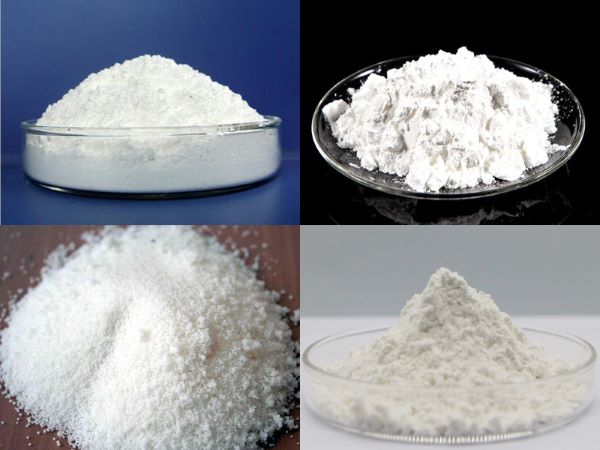
PVC stabilizers are categorized into various groups to meet diverse technical requirements and applications. Choosing the appropriate type of stabilizer depends on the product’s intended use, operating environmental conditions, and processing technology. Some common groups of stabilizers include: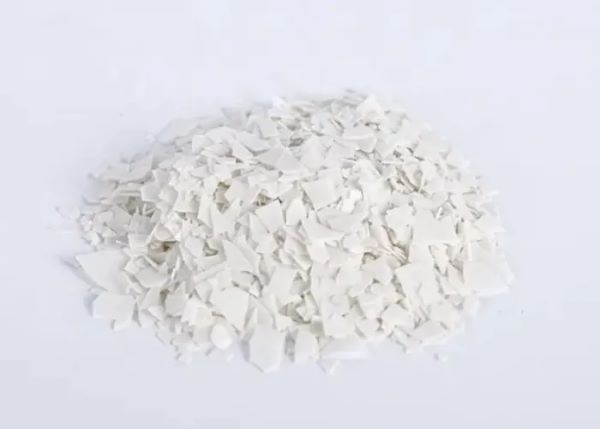
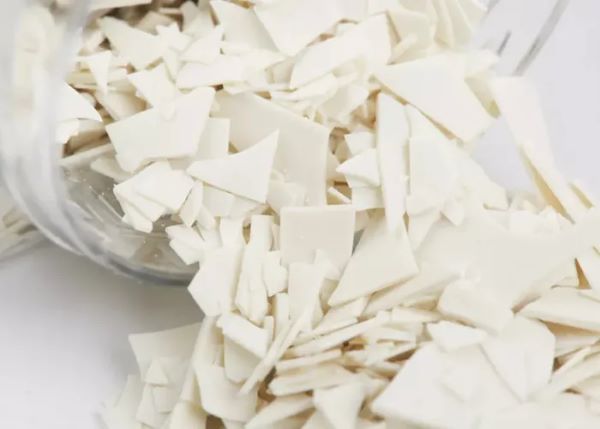
PVC stabilizer ingredients
Benefits of using PVC stabilizers
PVC stabilizers are categorized into various groups to meet diverse technical requirements and applications. Choosing the appropriate type of stabilizer depends on the product’s intended use, operating environmental conditions, and processing technology. Some common groups of stabilizers include:
- Metal-based stabilizers: Typically contain metals such as lead, calcium, zinc, or tin, providing effective thermal stabilization during the processing and use of PVC.
- Organic stabilizers: Include phosphate esters, hindered phenols, and other organic compounds, which help improve thermal stability and light stability of the product.
- Mixed metal stabilizers: A combination of various metal compounds designed to create a synergistic effect, offering a balanced solution between thermal stability and light stability, suitable for applications requiring long-term durability.
Components of PVC stabilizers
A modern PVC stabilizer system usually does not consist of a single compound but rather a combination of multiple components to create a synergistic effect:PVC stabilizer ingredients
- Main components: Usually consist of metal soaps for PVC (salts of fatty acids with metals such as Lead, Calcium, Zinc, Barium) or organotin compounds (organotin stabilizers). Their primary function is to react directly with HCl and replace unstable chlorine positions.
- Auxiliary stabilizers: Include epoxidized soybean oil (ESBO), organic phosphite compounds, and antioxidants. They help enhance the effectiveness of the main components.
- Lubricants: Integrated in “one-pack” stabilizer systems to facilitate the flow of PVC during extrusion or injection molding.
- Specific additives: Such as UV stabilizers for PVC, which prevent the effects of ultraviolet light on products used outdoors.
Benefits of using PVC stabilizers
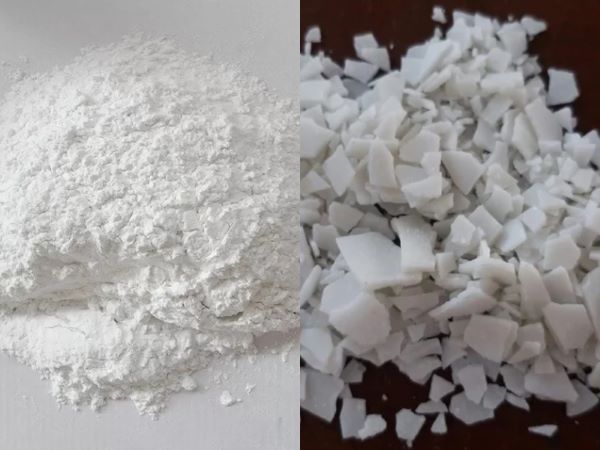
Choosing the right stabilizer system helps control the quality of PVC products during production, optimize economic efficiency, and meet increasingly strict technical and environmental standards. Specifically:- Increase heat resistance: Maintains the stability of PVC polymer structure during high-temperature processing, reducing burning and yellowing of the material.
- Effective UV protection: Prevents discoloration, brittleness, and surface chalking when products are exposed to prolonged sunlight.
- Enhance durability and extend lifespan: Preserves mechanical strength and impact resistance, especially important for PVC pipes and fittings.
- Optimize processing: Reduces melt viscosity, increases extrusion speed, and improves surface gloss and uniformity of the product.
- Meet diverse application requirements: Formulations can be easily customized to comply with food safety, electrical insulation, construction standards, and other industrial needs.
- More environmentally friendly: Replaces lead-based stabilizers with CaZn and organic stabilizers, reducing heavy metals, supporting recycling, and promoting sustainable development.
Benefits of using PVC stabilizers
Application areas of PVC stabilizers
Depending on the processing technology and technical requirements of each product, PVC stabilizers are selected and blended differently to ensure performance, durability, and safety. Typical application areas include:- Construction industry (the largest PVC consumption market):
- PVC pipes: CaZn stabilizer systems are used for drainage and pressure pipes, ensuring safety and heat resistance.
- Profiles and PVC doors: Require weather resistance; TiO₂ is often added to enhance UV reflection.
- PVC laminate sheets: Ensure good adhesion of decorative films and heat resistance during high-frequency pressing.
- Automotive components and parts: Used for artificial leather and interior mats; require thermal stabilizers with low volatility (low fogging), odorless, and non-fogging on glass.
- Electrical and electronics: PVC wires and cables with heat resistance of 70°C–105°C require long-term stable insulation; high-quality CaZn systems are increasingly replacing lead-based stabilizers.
- Outdoor products: Waterproof membranes, tarpaulins, and PVC roofing need strong UV stabilization; HALS is often added to reduce chalking and surface aging.
- Medical equipment and supplies: IV bags and medical tubing require non-toxicity and high transparency; organic or CaZn stabilizers compliant with medical standards are used.
- Packaging and packing materials: Food wrap films and PVC bottles must be lead-free; organotin stabilizers are preferred due to excellent color retention.
- Footwear and textiles: Shoe soles, rain boots, and artificial leather require high flexibility; liquid BaZn or CaZn stabilizers are often used for easy dissolution in plasticized PVC
Besides PVC stabilizers, which additives are essential in plastic production?
Besides PVC stabilizers, calcium carbonate (CaCO₃) is an important filler additive, widely used to optimize costs and improve certain material properties.- Increase rigidity and mechanical strength: CaCO₃ makes the plastic material more rigid and durable, suitable for PVC pipes, window frames, laminated sheets, profiles, and technical components.
- Dimensional stability: Reduces shrinkage after processing, helping products maintain accurate shapes and long-term stability.
- Improve processability: Helps control melt viscosity, ensuring more stable extrusion, injection molding, and shaping processes.
- Assist heat dissipation: CaCO₃ disperses heat during processing, limiting local overheating.
- Enhance surface finish and aesthetics: With high whiteness and fineness, calcium carbonate produces smooth surfaces, facilitates printing, and ensures uniform coloration.
- Optimize production costs: Replaces a portion of virgin resin while still meeting basic technical requirements.
APEX Vietnam – High-Quality Calcium Carbonate (CaCO₃) Supplier for Businesses
As one of the most reputable calcium carbonate (CaCO₃) manufacturers in Vietnam, APEX Vietnam provides comprehensive raw material solutions for the plastics industry, meeting the requirements of quality, stability, and cost-effectiveness for both domestic and international manufacturers.- Large-scale, modern production facility: APEX Vietnam owns a 30,000 m² factory in Binh Duong with 8 CaCO₃ production lines, ensuring consistent quality and strict control according to international standards.
- Stable production capacity, able to handle large orders: Monthly capacity reaches 40,000 tons of calcium carbonate powder and 8,000 tons of masterbatch, ready for continuous supply to large-scale enterprises.
- Diverse product portfolio: Offers light CaCO₃, heavy CaCO₃, modified CaCO₃, CaCO₃ masterbatch, PVC masterbatch, and woven PP bags, meeting the needs of various manufacturing sectors.
- Dedicated distribution fleet, proactive delivery: Owns an internal transportation fleet to ensure fast and on-time delivery, flexible scheduling, and optimized logistics costs for customers.
- Experienced technical team: Technical experts assist in selecting the appropriate type of CaCO₃, optimizing blending formulas, and enhancing production efficiency for businesses.
Article Classification
Recent Articles
- Comparing Talc and Calcium Carbonate Powder in Plastic Formulations
- What Is Paint Viscosity? Influencing Factors and Control Methods
- Important Applications of Calcium Carbonate Powder in Paper Manufacturing
- Calcium Carbonate Powder in Rubber Manufacturing: Applications and Benefits
- Applications of CaCO₃ in Various Industries