
NEWS & EVENTS

- Home
- News
- Products Information
- 4+ Methods to Check the Quality of PVC Powder
4+ Methods to Check the Quality of PVC Powder
November 14,2025
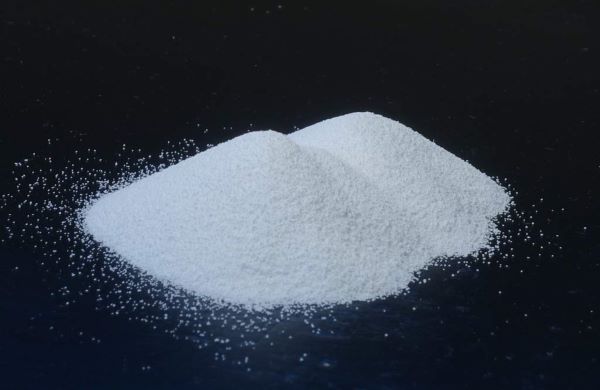
In the plastics manufacturing process, understanding how to check the quality of PVC powder is extremely important to ensure that products meet technical standards and desired durability. The quality of PVC powder not only affects processability but also determines the flexibility, impact strength, and thermal stability of the final product. Therefore, mastering the methods to test and evaluate PVC powder is an essential step for professional plastic manufacturers.
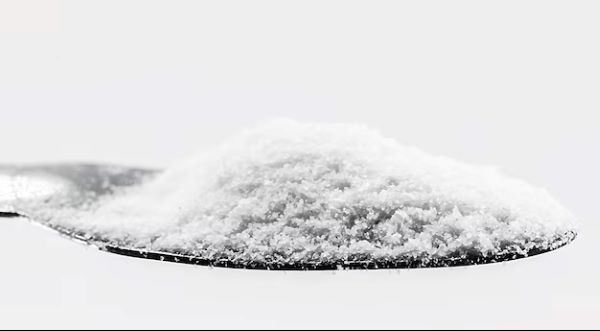
How to check the quality of PVC powder
Visual inspection of PVC powder
Check the particle size of PVC powder
How to check the quality of PVC powder
To ensure the quality of PVC powder, manufacturers need to apply a series of testing methods ranging from simple to advanced. Below are the detailed steps for checking the quality of PVC powder:How to check the quality of PVC powder
How to check the appearance
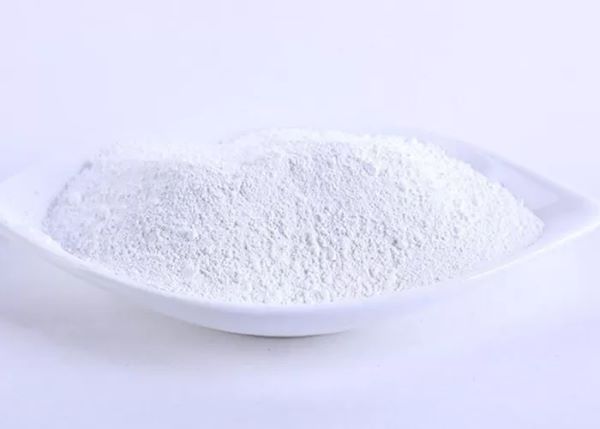
Visual inspection is the first and most basic step in evaluating the quality of PVC powder. Although simple, it can quickly reveal noticeable irregularities.Visual inspection of PVC powder
- Color: Virgin PVC powder typically has a pure white or slightly ivory appearance. Yellowing, graying, or the presence of unusual colored spots may indicate contamination, oxidation, or partial degradation.
- Texture: The powder should be fine, dry, and free-flowing. Clumping may be a sign of high moisture content or improper storage. You can check this by taking a handful and feeling the texture.
- Odor: High-quality PVC powder usually has no smell or only a slight characteristic plastic scent. A strong or unusual chemical odor may signal unsuitable additives, degradation, or contamination.
- Impurities: Carefully observe whether there are foreign particles, metal fragments, fabric fibers, dirt, or colored plastic granules (if it is not a pre-mixed PVC compound). Impurities can cause defects in the final product such as black spots or surface roughness.
Particle size analysis
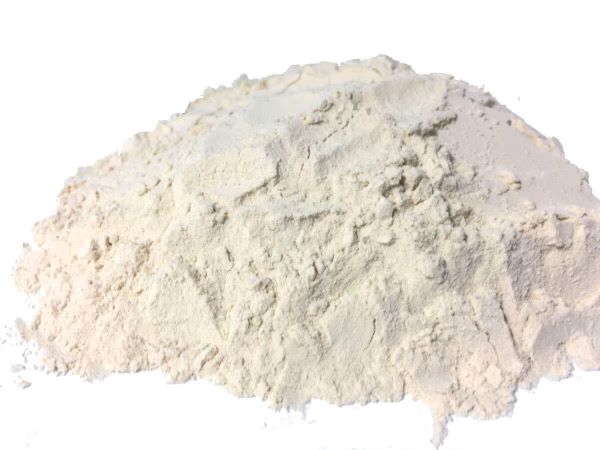
Particle size is an extremely important factor that affects the dispersion ability of PVC powder during mixing with additives as well as the processability of the compound.Check the particle size of PVC powder
- Importance: PVC powder particle size typically ranges from 100–250 µm, depending on the intended application and PVC type.
- Oversized particles: Difficult to evenly disperse additives, leading to an inconsistent mixture, reduced product quality, and potential clogging or wear of equipment.
- Undersized particles: Easily generate dust during handling, are difficult to control in mixing, can result in material loss, and may affect the working environment.
- Testing methods:
- Sieve Analysis: A traditional method using a set of sieves with different mesh sizes to classify particles.
- Laser Diffraction Analysis: A modern and more precise method that uses the principle of laser light scattering to determine particle size distribution. Automated equipment provides fast and reliable results.
Moisture content measurement
Moisture is one of the most important factors to control in PVC powder.- Importance: The ideal moisture content for PVC powder is usually ≤ 0.3%. If the moisture exceeds this level:
- Processed products may develop air bubbles or surface voids, reducing mechanical strength and aesthetic quality.
- It can cause “popping” or material “eruption” during extrusion/molding, posing safety risks and damaging the product.
- It affects the PVC gelation process, reducing uniformity.
- Testing methods:
- Infrared Moisture Analyzer: A common and convenient device. A powder sample is dried using infrared light, and the weight loss is recorded to calculate the moisture percentage. This method is fast and easy to use.
- Gravimetric Method (Oven Drying): The powder sample is accurately weighed, then dried in an oven at a specific temperature and time (e.g., 105°C for 1–2 hours), and weighed again to determine the evaporated moisture. This method is highly accurate but more time-consuming.
K-value (Viscosity) Testing
The K-value indicates the degree of polymerization of PVC molecules, directly affecting mechanical properties and processability.- Importance: The K-value of PVC powder typically ranges from K57 to K70.
- High K-value (e.g., K67–K70): Indicates longer polymer chains, providing better mechanical strength, chemical resistance, and high-temperature performance. Suitable for producing high-strength products such as pressure pipes, thick sheets, and rigid profiles.
- Low K-value (e.g., K57–K60): Indicates shorter polymer chains, making the material easier to process and offering better flow. Suitable for thin products, injection molding, or applications requiring high flexibility.
- Testing method: The K-value is determined by measuring the relative viscosity of PVC dissolved in solvents such as cyclohexanone or tetrahydrofuran (THF) at standard concentration and temperature. The K-value is then calculated using the Fikentscher equation.