
BLOG
- Home
- Blog
- Plastic Polymer Composite Article
- Thermoplastics and Thermosetting Plastics: Which One Should You Choose?
Thermoplastics and Thermosetting Plastics: Which One Should You Choose?
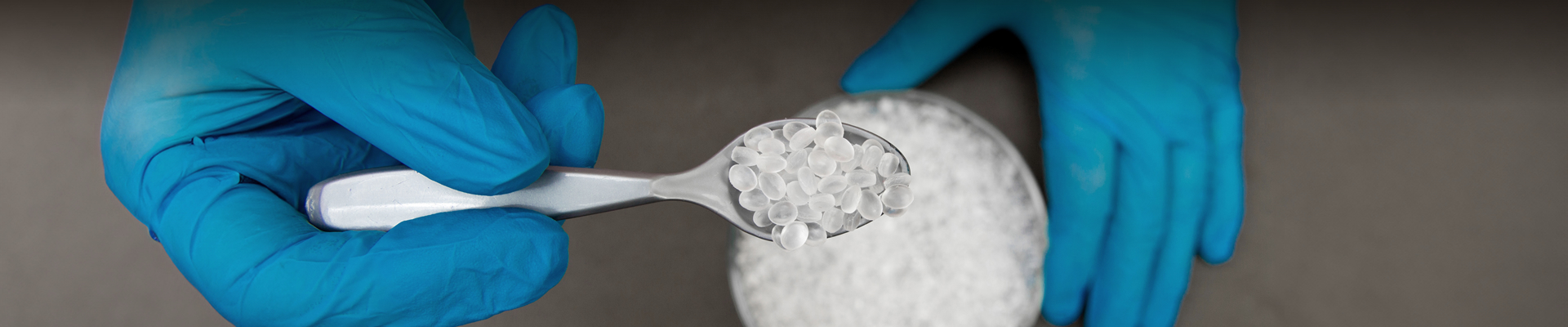
In the field of polymer materials, thermoplastics and thermosetting plastics play a crucial role and are widely used across most modern industries due to their distinct mechanical properties, heat resistance, and processing methods. Understanding the nature, advantages and disadvantages, as well as the differences between these two types of plastics, helps businesses and users select the appropriate materials, optimizing both technical performance and production costs.
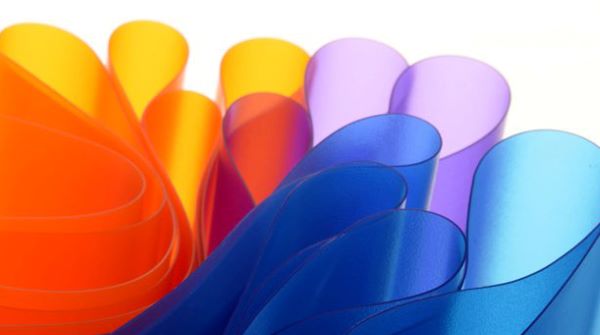
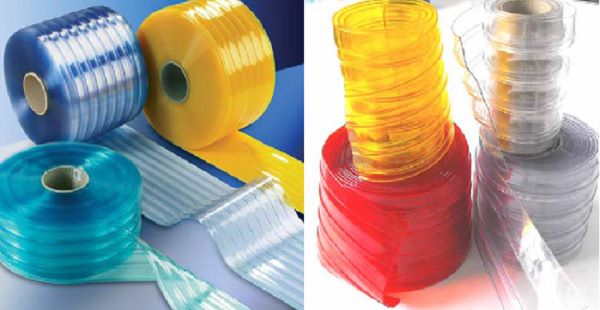
Thermoplastics heat resistance as well as their flexibility in processing and recycling
Overview of Thermoplastics and Thermosetting Plastics
Based on structural characteristics and performance capabilities, industrial plastics today are classified into two main groups: thermoplastics and thermosetting plastics, each with its own advantages, disadvantages, and specific applications.Thermoplastics
Thermoplastics possess many important properties that directly affect their practical applications, particularly evident in their mechanical strength, heat resistance, and flexibility in processing and recycling.Thermoplastics heat resistance as well as their flexibility in processing and recycling
Mechanical Properties
Thermoplastics are highly valued for their toughness and good impact resistance. Many materials, such as PP (Polypropylene) and PE (Polyethylene), can effectively absorb impact forces, helping products resist cracking and breaking during use.
The tensile strength of thermoplastics varies significantly among different polymers. For example, PA (Nylon) has much higher tensile strength and wear resistance compared to PE, making it commonly used for mechanical parts or technical components.
In addition, thermoplastics can be reinforced with fiberglass, carbon fiber, or inorganic fillers to improve stiffness, dimensional stability, and load-bearing capacity, thereby expanding their applications into engineering and heavy industry sectors.
Advantages:
Compared to thermosetting plastics, the heat resistance of thermoplastics is generally lower. The heat distortion temperature (HDT) of many common plastics typically ranges from 60–120°C. When operating beyond this range, the material tends to soften and lose dimensional stability.
However, some high-performance engineering thermoplastics, such as PEEK, PSU, or PPS, can withstand temperatures above 200°C, meeting the stringent requirements of the electronics, aerospace, and biomedical industries.
Advantages:
One of the most notable advantages of thermoplastics is their high recyclability. The material can be melted and reshaped multiple times without significantly altering its chemical structure, helping to reduce waste and making it more environmentally friendly.
In terms of processing, thermoplastics are compatible with many modern manufacturing technologies, such as:
Advantages: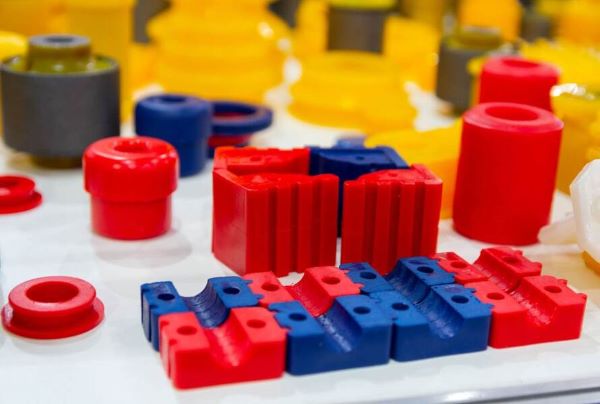
Thermosetting plastics are a group of polymers that permanently harden after heating and curing
Thermoplastics are highly valued for their toughness and good impact resistance. Many materials, such as PP (Polypropylene) and PE (Polyethylene), can effectively absorb impact forces, helping products resist cracking and breaking during use.
The tensile strength of thermoplastics varies significantly among different polymers. For example, PA (Nylon) has much higher tensile strength and wear resistance compared to PE, making it commonly used for mechanical parts or technical components.
In addition, thermoplastics can be reinforced with fiberglass, carbon fiber, or inorganic fillers to improve stiffness, dimensional stability, and load-bearing capacity, thereby expanding their applications into engineering and heavy industry sectors.
Advantages:
- High toughness and good impact resistance.
- Mechanical properties can be tailored with reinforcing materials.
- Suitable for a wide range of applications, from household to engineering uses.
- Some types have low stiffness and load-bearing capacity if not reinforced.
- Can deform under sustained heavy loads (creep)
Compared to thermosetting plastics, the heat resistance of thermoplastics is generally lower. The heat distortion temperature (HDT) of many common plastics typically ranges from 60–120°C. When operating beyond this range, the material tends to soften and lose dimensional stability.
However, some high-performance engineering thermoplastics, such as PEEK, PSU, or PPS, can withstand temperatures above 200°C, meeting the stringent requirements of the electronics, aerospace, and biomedical industries.
Advantages:
- Certain engineering plastics have excellent heat resistance.
- Suitable for medium-temperature applications.
- Easily softens and deforms under prolonged high-temperature conditions.
- Not suitable for extreme heat applications if using common plastics.
One of the most notable advantages of thermoplastics is their high recyclability. The material can be melted and reshaped multiple times without significantly altering its chemical structure, helping to reduce waste and making it more environmentally friendly.
In terms of processing, thermoplastics are compatible with many modern manufacturing technologies, such as:
- Injection Molding
- Extrusion
- Blow Molding
- Thermoforming
Advantages:
- Easily recyclable and environmentally friendly.
- Flexible processing, suitable for mass production.
- Relatively low production costs.
- Material properties may degrade after multiple recycling cycles.
- Some engineering plastics have high raw material costs.
Thermosetting Plastics
Thermosetting plastics are a group of polymers that permanently harden after heating and curing. Once fully formed, the material cannot be melted or reprocessed by heat. This behavior is due to their three-dimensional cross-linked network structure, which provides high rigidity, dimensional stability, and superior heat resistance compared to thermoplastics.Thermosetting plastics are a group of polymers that permanently harden after heating and curing
Common Types of Thermosetting Plastics
Thanks to their outstanding heat resistance, chemical resistance, and high rigidity, thermosetting plastics are widely used in electrical and electronic devices, construction materials, aerospace, automotive industries, and technical structures requiring long-term stability.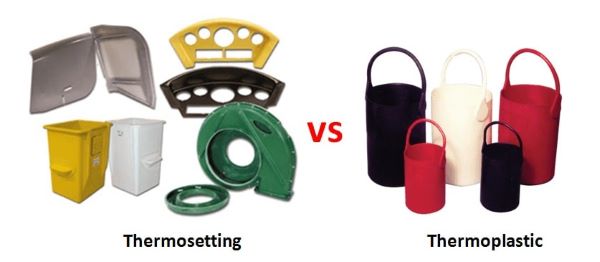
Comparison of Differences Between Thermoplastics and Thermosetting Plastics
In contrast, thermosetting plastics initially consist of monomers or short polymer chains without cross-links. During processing and curing, these monomers link together to form a stable three-dimensional network structure. Once this network is established, the material cannot melt or flow again, even when heated, giving thermosetting plastics superior rigidity and dimensional stability.
For thermoplastics, the polymer chains are long, with the number of molecules ranging from about 10,000 to 1,000,000. They exist independently and are not cross-linked. This structure allows the material to melt easily and be reprocessed upon heating.
In contrast, thermosetting plastics have distinctly different characteristics. Before molding, the polymer chains are relatively short, only about 1,000–5,000 molecules. After the molding and curing process, these chains cross-link with each other to form a large molecular network, increasing the effective number of molecules to over 10,000, while creating a stable structure that cannot melt again.
In contrast, thermosetting plastics cannot be remolded once shaped. This is because, during production, the material undergoes a curing reaction and cross-linking, permanently changing its structure and chemical properties. Once cured, the plastic cannot melt again and can only decompose if subjected to further heating.
In contrast, thermosetting plastics have very limited reusability. Their reuse largely depends on the degree and rate of the curing reaction during production. Once fully cross-linked, the material can hardly be reprocessed using heat.
This distinct difference in mechanical properties determines the different scope and purpose of applications for the two types of plastics, ranging from flexible, impact-resistant products to components requiring high rigidity and dimensional stability.
In contrast, thermosetting plastics possess very high heat resistance. After undergoing molding and curing, the material cannot melt or be reprocessed with heat. Therefore, the heat resistance of thermosetting plastics is always a top priority; if the material has poor heat resistance, the quality and durability of the product will be severely affected.
Thermosetting plastics stand out for their high heat resistance and effective oxidation resistance, allowing products made from these materials to operate stably outdoors for long periods with minimal quality degradation.
In contrast, to enhance the durability of thermoplastics and improve protection against heat, light, or harsh environmental conditions, it is necessary to incorporate specialized additives or apply suitable reinforcement and surface treatment technologies to meet usage requirements.
Thermoplastics and thermosetting plastics both play important roles in the polymer materials industry, each possessing distinct characteristics in terms of structure, mechanical properties, heat resistance, and application scope. Choosing the right type of plastic not only enhances performance and product durability but also optimizes costs and production processes. A clear understanding of the differences between thermoplastics and thermosetting plastics is the foundation for selecting appropriate, sustainable, and efficient material solutions for specific applications. APEX Vietnam is proud to be a supplier of high-quality masterbatch and inorganic powders, supporting customers in meeting the demands of the plastics industry, from production to application, in accordance with the highest standards.
- Epoxy: Widely used in industrial adhesives, protective coatings, and electronic circuit boards due to its excellent adhesion and electrical insulation properties.
- Phenolic (PF): Commonly used for cookware handles, insulating components, and high-temperature resistant parts.
- Melamine Formaldehyde (MF): Applied in heat-resistant household items, tabletops, and interior decorative materials.
- Urea Formaldehyde (UF): Popular in wood adhesives, plywood, and industrial molding materials.
- High heat resistance; does not deform under high temperatures.
- Excellent hardness and mechanical strength, maintaining dimensional stability over time.
- Resistant to chemicals and solvents, suitable for harsh industrial environments.
- Superior electrical insulation, safe for electrical and electronic applications.
- Cannot be recycled through melting, limiting disposal and reuse options.
- Difficult to process after curing, requiring high precision during initial shaping.
- Relatively brittle and less impact-resistant compared to some thermoplastics.
Thanks to their outstanding heat resistance, chemical resistance, and high rigidity, thermosetting plastics are widely used in electrical and electronic devices, construction materials, aerospace, automotive industries, and technical structures requiring long-term stability.
Comparison Between Thermoplastics and Thermosetting Plastics
To clearly understand the differences between thermoplastics and thermosetting plastics, it is essential to systematically examine key criteria such as molecular structure, polymer chain configuration, molding and reusability, mechanical properties, heat resistance, and durability under real-world operating conditions.Comparison of Differences Between Thermoplastics and Thermosetting Plastics
Molecular Structure
Thermoplastics have long-chain molecular structures, where individual polymer chains exist independently without cross-linking. Thanks to this structure, the material softens when heated, can be easily reshaped, and can be reprocessed multiple times without altering its chemical nature.In contrast, thermosetting plastics initially consist of monomers or short polymer chains without cross-links. During processing and curing, these monomers link together to form a stable three-dimensional network structure. Once this network is established, the material cannot melt or flow again, even when heated, giving thermosetting plastics superior rigidity and dimensional stability.
Number of Molecules
A notable difference between thermoplastics and thermosetting plastics lies in the number and degree of bonding of polymer molecules.For thermoplastics, the polymer chains are long, with the number of molecules ranging from about 10,000 to 1,000,000. They exist independently and are not cross-linked. This structure allows the material to melt easily and be reprocessed upon heating.
In contrast, thermosetting plastics have distinctly different characteristics. Before molding, the polymer chains are relatively short, only about 1,000–5,000 molecules. After the molding and curing process, these chains cross-link with each other to form a large molecular network, increasing the effective number of molecules to over 10,000, while creating a stable structure that cannot melt again.
Moldability
Thermoplastics can be molded and reprocessed multiple times because, throughout production and use, the structure and chemical properties of the material remain unchanged. When heated, the plastic merely softens and then hardens upon cooling, allowing reshaping without altering the fundamental nature of the polymer.In contrast, thermosetting plastics cannot be remolded once shaped. This is because, during production, the material undergoes a curing reaction and cross-linking, permanently changing its structure and chemical properties. Once cured, the plastic cannot melt again and can only decompose if subjected to further heating.
Reusability
There is a clear difference in reusability between thermoplastics and thermosetting plastics. Thermoplastics allow for efficient reuse because they can be melted and reshaped multiple times without altering the chemical nature of the material.In contrast, thermosetting plastics have very limited reusability. Their reuse largely depends on the degree and rate of the curing reaction during production. Once fully cross-linked, the material can hardly be reprocessed using heat.
Mechanical Properties
Thermoplastics are characterized by their softness and flexibility, with good deformability and effective impact resistance. In contrast, thermosetting plastics are notable for their high hardness but are relatively brittle and exhibit little deformation under stress.This distinct difference in mechanical properties determines the different scope and purpose of applications for the two types of plastics, ranging from flexible, impact-resistant products to components requiring high rigidity and dimensional stability.
Heat Resistance
Thermoplastics have relatively low heat resistance because they need to be melted during the manufacturing process for shaping. When the temperature exceeds their working threshold, the material easily softens and deforms.In contrast, thermosetting plastics possess very high heat resistance. After undergoing molding and curing, the material cannot melt or be reprocessed with heat. Therefore, the heat resistance of thermosetting plastics is always a top priority; if the material has poor heat resistance, the quality and durability of the product will be severely affected.
Durability
Compared to thermosetting plastics, thermoplastics generally have lower overall durability, particularly in terms of heat resistance and oxidation resistance.Thermosetting plastics stand out for their high heat resistance and effective oxidation resistance, allowing products made from these materials to operate stably outdoors for long periods with minimal quality degradation.
In contrast, to enhance the durability of thermoplastics and improve protection against heat, light, or harsh environmental conditions, it is necessary to incorporate specialized additives or apply suitable reinforcement and surface treatment technologies to meet usage requirements.
Thermoplastics and thermosetting plastics both play important roles in the polymer materials industry, each possessing distinct characteristics in terms of structure, mechanical properties, heat resistance, and application scope. Choosing the right type of plastic not only enhances performance and product durability but also optimizes costs and production processes. A clear understanding of the differences between thermoplastics and thermosetting plastics is the foundation for selecting appropriate, sustainable, and efficient material solutions for specific applications. APEX Vietnam is proud to be a supplier of high-quality masterbatch and inorganic powders, supporting customers in meeting the demands of the plastics industry, from production to application, in accordance with the highest standards.