
NEWS & EVENTS

- Home
- News
- Products Information
- The Trend of Replacing Metal with Plastic Components in Modern Manufacturing
The Trend of Replacing Metal with Plastic Components in Modern Manufacturing
June 27,2026
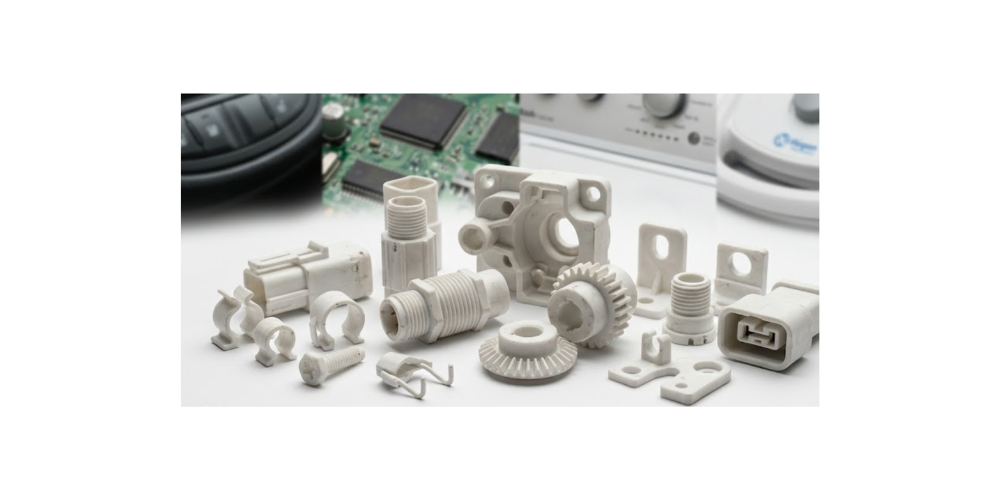
In the context of an industry increasingly focused on production efficiency, cost optimization, and sustainable development, replacing metal parts with plastic components is becoming a trend chosen by many businesses worldwide. From the automotive, electronics, and medical industries to household appliances, plastic components are increasingly proving their importance thanks to their superior advantages in weight, flexibility, and ability to meet technical requirements.
What Makes Plastic Components a Suitable Alternative to Metal?
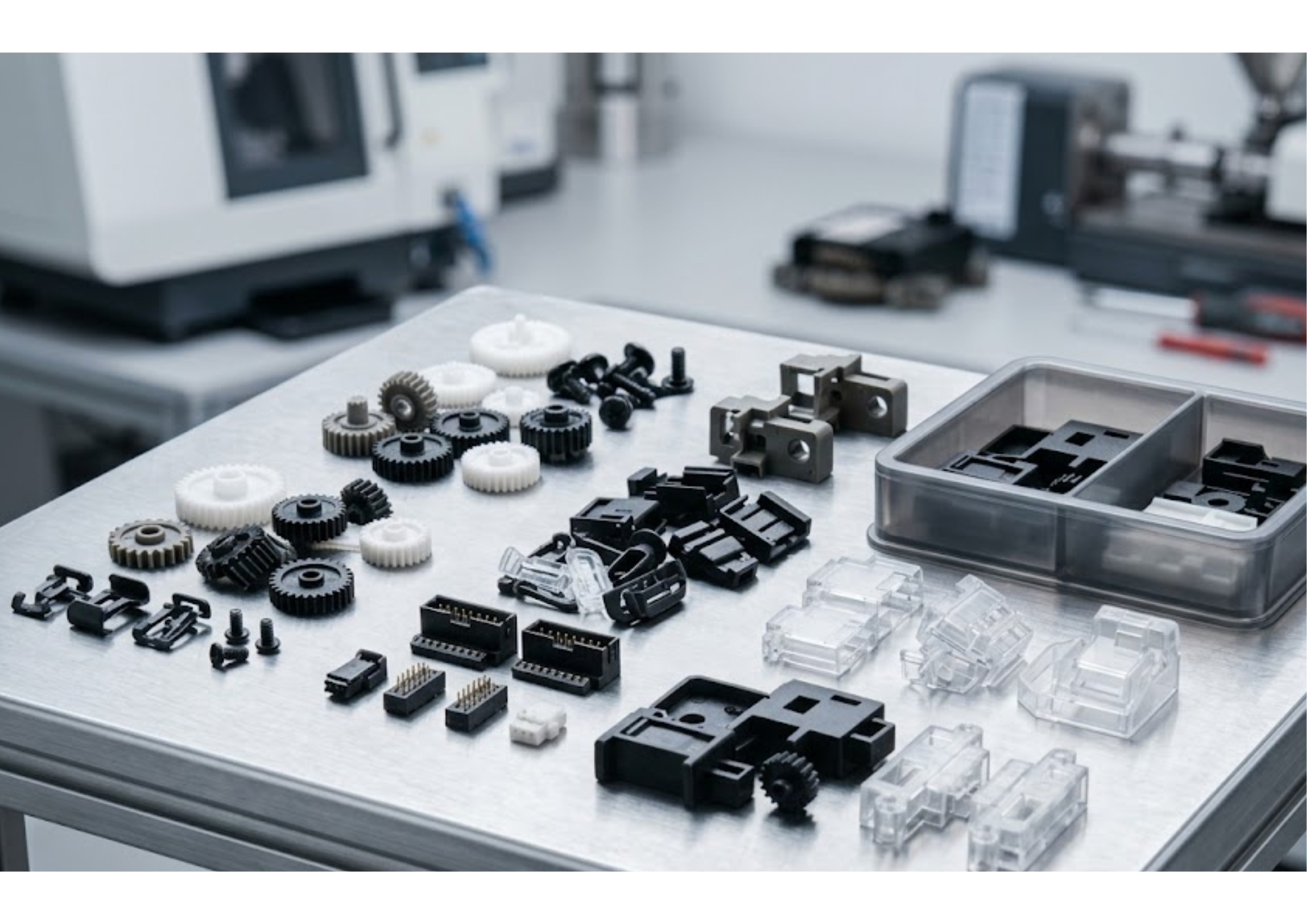
Optimizing weight to reduce production and operating costs.
Compared to metal, plastic is significantly lighter. Using plastic components reduces the overall weight of a product, thereby saving on transportation costs, reducing fuel consumption for vehicles, and improving production efficiency.
Improve Production Efficiency with Optimal Costs
Plastic components typically have simpler manufacturing processes, faster production times, and lower energy consumption compared to metal. Furthermore, the ability to mass-produce using injection molding technology allows businesses to better control costs and improve efficiency.
Exceptional Durability in Harsh Environments
Unlike common metals, which are easily oxidized or corroded in humid or chemical environments, many engineering plastics possess superior chemical resistance and corrosion resistance. As a result, plastic components maintain durability and stable performance over long periods, contributing to extended product lifespan and reduced maintenance costs for businesses.
In what fields are plastic components currently present?
-
Automotive technology sector: The dashboard, door handles, bumpers, lamp housings, and many other interior details.
-
Electronics and industrial sector: Equipment housings, connectors, insulating components, and circuit protection devices.
-
Household appliances and equipment sector: Washing machine casings, vacuum cleaner casings, water filter casings, and many other consumer appliances.
-
Healthcare and medical field: Disposable medical devices, equipment housings, and components requiring high precision.
How do additives contribute to improving the quality of plastic components?
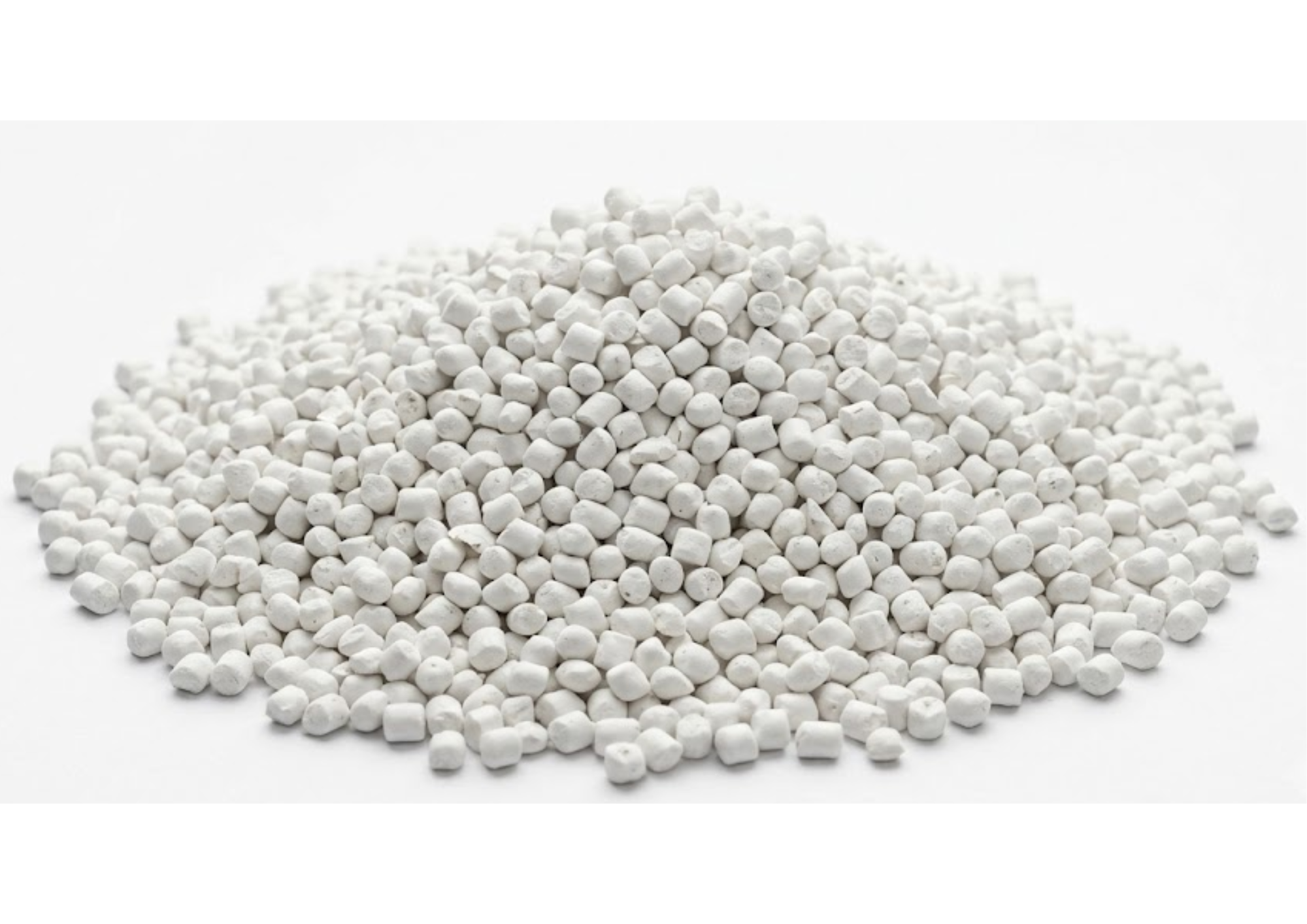
To meet the increasingly demanding requirements of the market, manufacturers often use additives and fillers to improve the properties of plastic products. For example, calcium carbonate (CaCO3) powder can help increase hardness, improve dimensional stability, and optimize raw material costs, thereby increasing production efficiency while ensuring product quality.
Looking Back at the Development Trends of Plastic Components
The trend of replacing metal with plastic components is opening up many opportunities for modern manufacturing. With advantages such as lightweight, corrosion resistance, design flexibility, and high economic efficiency, plastic components are increasingly becoming the preferred solution for many businesses. In the future, along with the development of engineering plastics and advanced manufacturing technologies, plastic components are predicted to continue expanding their application scope and play a crucial role in many industries.